
Understanding Soil pH for Better Vegetable Harvests
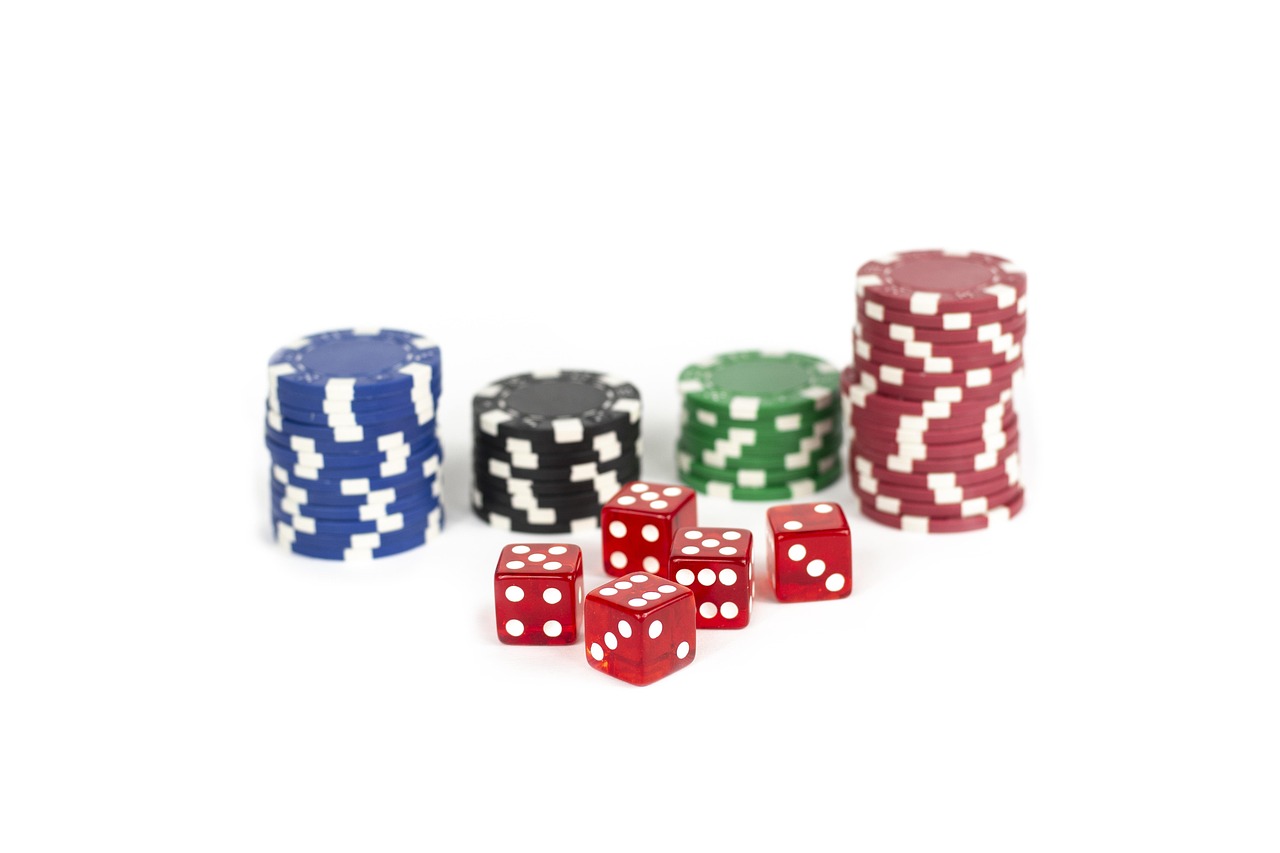
Two players sit at the same online slot on a Friday night. Player A deposits $100, grinds for three hours, and cashes out $340. Player B deposits the same $100 on the same game, in the same session, and is busted in eleven minutes flat. Neither of them is unlucky in any cosmic sense. The difference is volatility — and most players never bother to understand what it actually does to their bankroll.
If you've spent any time around casino games, you've seen the term floating around: high-volatility, low-volatility, medium-volatility. It sounds like marketing garnish. It isn't. Volatility is arguably the single most important number on a slot's spec sheet, more relevant to your survival than RTP in many sessions. Let's break it down properly, along with a few other truths that separate recreational players from people who actually last.
The Two Numbers That Define a Slot
Every slot you play has two core characteristics working in tandem: return to player (RTP) and volatility.
- RTP is the long-run percentage of all wagered money a game returns to players over millions of spins. A 96% RTP slot pays back $96 for every $100 wagered — in theory, over an enormous sample size. In a single session, RTP tells you almost nothing.
- Volatility describes how that return is distributed. A low-volatility game pays you frequently but in small amounts. A high-volatility game might go 200 spins without a single meaningful win, then hand you a 500x payout in one hit.
Here's the part people miss: two slots can share an identical 96% RTP and feel completely different. RTP is the size of the pie. Volatility is how it's sliced. If you sit at a high-volatility slot with a $50 bankroll and 20-cent spins, you are statistically signing up for a very short ride unless variance smiles on you quickly.
What High Volatility Actually Feels Like
Most modern "megaways" and bonus-buy slots sit firmly in the high-volatility camp. Take a game like San Quentin or Money Train — the kind everyone posts screenshots of on Twitter. Sessions on these games are psychologically brutal. You'll spin for ten minutes, see your balance erode, hit one bonus that pays 15x, watch it disappear, and then eventually — maybe — trigger something that goes 1,000x. See 88CLB for a side-by-side comparison.
That "maybe" is doing the heavy lifting. High-volatility slots typically route a huge share of their RTP into rare, top-end outcomes. The math is structured so that the big wins exist, but they arrive with enough infrequency that a poorly funded player almost never reaches them. Those comparing choices often turn to 88CLB COM.
A quick comparison to make it concrete
- Low volatility: many wins at 0.2x–2x, few features, gentle bankroll curve. Think classic 3-reel fruit slots or many NetEnt originals.
- Medium volatility: a blend — regular small returns plus occasional 50x–100x hits. Often the sweet spot for casual players.
- High volatility: long dry spells, big multipliers, max-win potential often in the 10,000x–50,000x range. Great for streamers with deep pockets, painful for $20 deposits.
Rule of thumb worth remembering: the bigger the advertised max win, the more you should expect to lose before you ever sniff it.
Matching Volatility to Your Bankroll (Not Your Ego)
This is where practical decision-making kicks in. Instead of picking games by theme or whatever's trending, pick them by how much you can afford to lose and how long you want to play.
- Work out your true session budget — money you're genuinely fine to lose. Not rent money repackaged as "entertainment."
- Estimate roughly how many spins that budget should buy you. As a rough guide, aim for at least 200–300 spins on a high-volatility game, and 100+ on medium.
- Size your bet accordingly. If $100 is your budget, high-volatility slots generally want stakes under $0.50. Medium-volatility can take $1 spins comfortably.
- Decide in advance whether you're playing for time or for a shot at a big win. Those are different objectives, and they demand different games.
If you want entertainment — a couple of hours of spinning with lots of little wins — you're a low or medium-volatility player by nature, whether or not you admit it. If you genuinely don't mind losing 80% of your deposit for a shot at something significant, high volatility is your lane.
Bonus Buy, Max Wins, and the Marketing Trap
Feature buys have changed slot play, but not always for the better. On many games, buying a bonus costs 100x your stake. That's a serious outlay, and the average return from those buys is often close to the game's RTP — which means a large slice of players lose most or all of that buy. The bonus buy exists because streamers make them look profitable after editing out the painful ones.
The same honesty applies to advertised max wins. A 50,000x max win on a slot with 96% RTP isn't a promise. It's a ceiling, usually attached to an outcome with a probability so small you'd need to play continuously for weeks to have a realistic chance. Treat max win figures as trivia, not as a plan.
Poker, Sports Betting, and the Same Underlying Lesson
Variance isn't a slots-only concept. It's just less visible in other iGaming corners.
In poker, a good cash-game player with a positive win rate can still lose for weeks. The hand distribution simply doesn't have to cooperate in the short term. The same player who tilts off their bankroll after a bad run is the same kind of player who chases losses on a high-volatility slot. Understanding variance — and respecting it — is what keeps you in action.
Sports betting follows a similar rhythm. A bettor who scalps small edges on favourites loses frequently by design; a bettor backing 5.0 underdogs wins rarely and heavily. Neither is wrong, but you need to know which kind of bettor you are before your bankroll decides for you.
A Smarter Way to Pick Your Games
Next session, before you spin, do three things. Check the RTP — anything below 95% is meaningfully worse than average. Check the volatility — most reputable providers list it directly on the game page. Then match it to your bankroll. If those three steps feel boring, that's because they work. Excitement should come from the game, not from the size of the risk you didn't realise you were taking.
Nobody beats volatility forever. But players who understand it lose slower, play longer, and occasionally — when the math bends the right way — walk away with a session worth talking about. That's the realistic edge available to anyone who plays casino games of chance: not beating them, but refusing to be beaten carelessly.
LEAVE A COMMENT