
Essential Hand Tools for the Smallholder's Shed
Why Pots and Raised Beds Work So Well
Soft fruit has a reputation for needing space, but that is only half the story. Strawberries, currants and blueberries all crop generously in containers, and in many ways a pot gives you more control than open ground ever could. You choose the compost, so you can give blueberries the acid conditions they crave without fighting chalky soil. You can move pots into shelter when gales blow, raise them onto feet so slugs struggle to reach the fruit, and net a single bench far more easily than a whole plot.
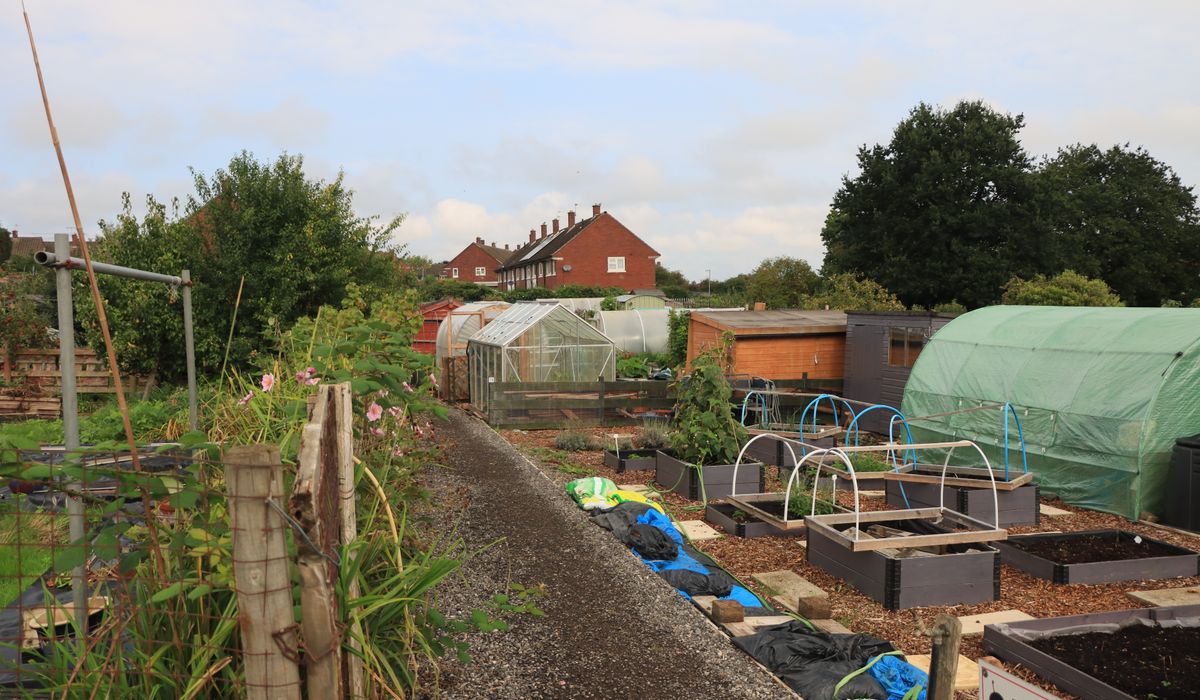
Raised beds offer the same advantages on a larger scale. A bed 30cm deep filled with a loam-based mix will carry strawberries and currants happily for years. Blueberries want more root room — 45cm deep and at least 60cm wide per plant — because they are shallow-rooted and resent drying out. Whether you grow in pots or beds, the principles are identical: sharp drainage, the right compost, steady moisture and protection from birds.
Getting the Compost Right
This is where most disappointing crops start. Blueberries need ericaceous compost at roughly pH 4.5 to 5.5, and they need to stay there. Ordinary multipurpose compost is usually around pH 6 to 7, which will keep a blueberry alive but sulky, with yellowing leaves between the veins and very little fruit. Use ericaceous compost from the outset, top-dress with more of it each spring, and never let garden lime or spent mushroom compost anywhere near the pot.
Water matters just as much as compost. In hard water areas, tap water will gradually push the pH back up, so collect rainwater in a butt and use that whenever you can. Stand blueberry pots where they catch the rain rather than under a house eaves.
The other soft fruits are far less fussy. For strawberries, currants and gooseberries, use a loam-based mix such as John Innes No. 2 for planting, loosened with about 20 per cent horticultural grit or perlite. Straight multipurpose compost works for a season but collapses into a soggy, airless mass by the second year, which is exactly what these plants hate.
Compact Varieties Worth Growing
Variety choice does more for container growing than any amount of careful watering. Look for words like dwarf, compact and self-fertile on the label.
- Strawberries: 'Cambridge Favourite' remains a reliable mid-season cropper, while 'Mara des Bois' gives exceptional flavour over a long picking window. Alpine strawberries such as 'Mignonette' are perfect for pots — they produce no runners, crop from June to September and are expensive to buy in punnets.
- Blueberries: 'Top Hat' is a genuinely dwarf variety that suits a 15-litre pot, and 'Sunshine Blue' is compact and partly self-fertile. Even self-fertile types crop better with a second variety nearby, so plant two if space allows.
- Blackcurrants: 'Ben Sarek' and 'Ben Connan' are compact, heavy-cropping bushes that stay manageable at around a metre.
- Redcurrants and whitecurrants: 'Junifer' and 'White Versailles' can be trained as cordons or short standards, which suits a large pot beautifully.
Watering and Feeding Through the Season
Containers dry out alarmingly fast. A mature blueberry in a 30-litre pot may need a full watering can every day in July, and twice daily during a heatwave. A drip irrigation line on a timer takes the anxiety out of a hot week away. Whatever you use, water in the morning where possible, and mulch the surface with 5cm of composted bark to slow evaporation.
Begin feeding when the first flowers open and continue until the fruit colours. A high-potash tomato feed fortnightly suits strawberries, currants and gooseberries. Blueberries prefer a dedicated ericaceous feed, and dislike nitrate-heavy general fertilisers. Vine weevil grubs are the great hidden killer in pots — if plants wilt despite moist compost, tip them out and check the roots, then drench with nematodes in late summer as a routine precaution.
Protecting the Crop
Birds will strip a redcurrant bush in a single morning, and they will peck holes in every ripening strawberry. Netting is not optional. Use 20mm mesh rather than the wide butterfly netting, and hold it 20 to 30cm clear of the foliage so birds cannot peck through it. Weight the edges down with bricks or pegs, because blackbirds are persistent and surprisingly clever.
A walk-in fruit cage is the best investment if you have several pots or a raised bed. Failing that, a simple timber frame over a bench of strawberries takes an afternoon to build and lasts for years. Straw mulch under ripening fruit keeps berries clean and slows slugs, and wasps will need watching once currants sweeten in late summer.
Renovation and the Long Term
Containers and raised beds reward a little annual housekeeping. Strawberries crop best in their first three years, so replace plants every third summer, using fresh runners from your healthiest specimens and moving the compost elsewhere.
Blackcurrants fruit on young wood: after picking, cut out a third of the oldest stems right to the base to encourage fresh growth. Redcurrants and whitecurrants prefer a permanent framework, so shorten side shoots to two buds each winter. Blueberries need very little — simply remove crossing or dead wood in late winter and top-dress with fresh ericaceous compost each spring. Get these small jobs done and a modest set of pots will keep you in fruit for a decade.
LEAVE A COMMENT