
Understanding Soil pH for Better Vegetable Harvests
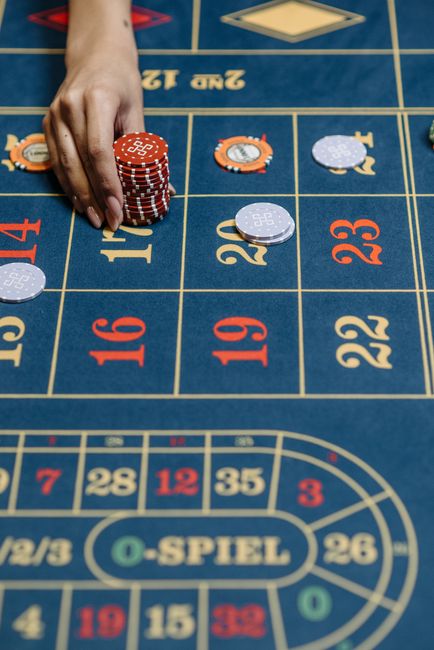
You've probably noticed that the line between casual fun and serious strategy in iGaming is thinner than ever. With online casinos, sportsbooks, slot machines, and poker rooms all competing for your attention, the difference between a frustrating session and a profitable one often comes down to a few key decisions. This isn't about chasing jackpots or believing in hot streaks. It's about understanding the mechanics, managing your bankroll, and treating iGaming as a form of entertainment with a real edge when you do it right. Let's cut through the hype and look at what actually works.
Casino Games: House Edge Isn't Just a Number
Every casino game has a built-in advantage for the house, but not all edges are created equal. Blackjack, for example, can have a house edge as low as 0.5% if you play perfect basic strategy. Slot machines? Often 2% to 10%, depending on the game and jurisdiction. That difference is massive over hundreds of spins. The key is to choose games where your decisions actually influence the outcome. In blackjack, that means learning when to hit, stand, double, or split. In roulette, it means avoiding the American wheel (two zeros, 5.26% edge) and sticking with European or French wheels (2.7%). Even in video poker, selecting Jacks or Better with a 9/6 paytable drops the edge to about 0.5%—far better than a typical slot machine.
Don't fall for side bets. Those fancy "Perfect Pairs" or "21+3" bets in blackjack typically carry edges of 5% or more. They're fun, but they're not smart money. If you want longevity, stick to the main game and master one or two variants instead of spreading yourself thin.
Sports Betting: Line Shopping and Bankroll Discipline
Sports betting feels simpler than casino games because you're predicting an outcome, not spinning a reel. But the math is just as brutal. A standard -110 line means you need to win 52.4% of your bets just to break even. That's why line shopping isn't optional—it's essential. The same game might be -3 (-110) at one book and -2.5 (-105) at another. Over 100 bets, those small differences add up to hundreds of dollars.
Bankroll management is where most bettors fail. The classic advice is to risk 1-2% of your total bankroll per bet. That means if you have $1,000, your standard bet is $10 to $20. This keeps you in the game during losing streaks and prevents emotional decisions. Also, avoid parlay addiction. A three-team parlay might pay 6-to-1, but the true odds are often worse than the payout suggests. If you love parlays, limit them to a small percentage of your action—treat them as lottery tickets, not your main strategy.
- Track your bets: Use a spreadsheet or app to log every wager, including odds, stake, and result. You'll spot leaks fast.
- Focus on one or two sports: Knowing the ins and outs of the NBA or Premier League gives you an edge over casual bettors.
- Exploit promotions: Free bets, odds boosts, and risk-free bets can add real value if you read the terms carefully.
Slots: Volatility, RTP, and the Myth of Hot Machines
Slots are the most popular iGaming product for a reason: they're simple, flashy, and offer the dream of a life-changing win. But if you want to play smart, you need to look beyond the graphics. Two numbers matter most: RTP (return to player) and volatility.
RTP is the percentage of all wagered money that a slot pays back over millions of spins. A 96% RTP means the house keeps 4% on average. Online slots often have higher RTPs than land-based ones—sometimes 97% or more. Always check the game info screen. Volatility refers to how often and how much a slot pays. Low volatility slots pay small amounts frequently, keeping your balance steady. High volatility slots pay rarely but can hit huge. If you have a small bankroll, low volatility is your friend. If you're chasing a jackpot, high volatility is the only way, but be prepared for long dry spells. More background can be found at saowin.za.com.
And no, machines aren't "due" for a win. Each spin is independent thanks to random number generators (RNGs). The only thing you can control is your bet size and when you walk away.
Poker: Skill, Psychology, and Table Selection
Poker is the only iGaming vertical where long-term winners consistently exist. That's because it's a game of skill disguised as gambling. But the skill gap is wider than most people think. If you're the worst player at the table, you're the fish. If you're the best, you're the shark. The fastest way to improve your win rate is table selection: find tables with loose, passive players who call too much and bluff too little. Online, use tracking software (where allowed) to identify weak opponents. Live, watch a few orbits before sitting down.
Bankroll management in poker is even stricter than in sports betting. A common rule for cash games is 20 buy-ins for the stake you're playing. So for $1/$2 no-limit hold'em, you need at least $4,000. For tournaments, 50 to 100 buy-ins is safer due to variance. And never play above your bankroll, no matter how good you feel.
- Start tight: Play fewer hands than you think you should. Fold marginal hands from early position.
- Observe opponents: Note who bluffs too much, who never bluffs, and who calls too often.
- Control pot size: With strong hands, build the pot. With marginal hands, keep it small.
- Review sessions: After each session, mark key hands and analyze your decisions.
The Technology Behind Fair Play: RNGs and Licensing
You might wonder how you can trust an online casino or poker room. Reputable operators use certified random number generators (RNGs) audited by independent labs like eCOGRA or iTech Labs. Licensing also matters: look for jurisdictions like Malta, Gibraltar, the UK, or New Jersey. These regulators enforce strict standards for game fairness, payout speeds, and responsible gambling tools. If a site is licensed in Curacao or Costa Rica, the oversight is lighter. That doesn't mean it's rigged, but your recourse is limited if something goes wrong.
Also, check the payout speed. Some casinos process withdrawals in hours, others take days. Fast payouts are a sign of a well-run operation. And always use the responsible gambling tools—deposit limits, session timers, and self-exclusion—if you feel your play is getting out of hand.
The iGaming world offers incredible entertainment and, for a disciplined few, a legitimate side income. But it's not a get-rich-quick scheme. The players who last are the ones who treat it like a hobby with a budget, not a lifeline. They know the house edge, they shop for the best lines, they manage their bankroll, and they walk away when it stops being fun. Whether you're spinning slots, betting on football, or grinding poker tables, that mindset is your real edge. The games will always have variance, but your decisions are yours to control. So the next time you log in, ask yourself: are you playing smart, or just playing? The answer makes all the difference.
LEAVE A COMMENT