
Understanding Soil pH for Better Vegetable Harvests
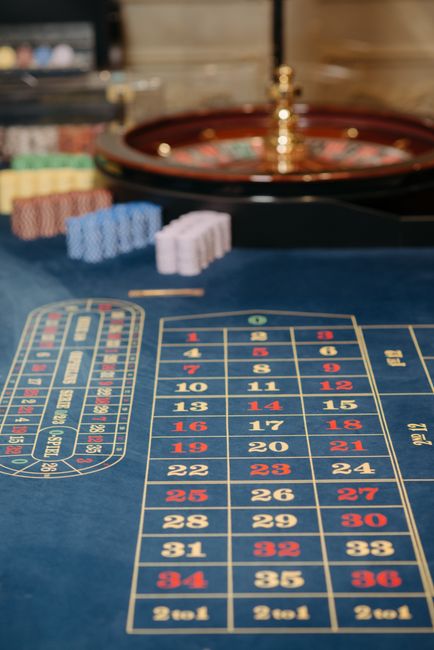
You’ve seen the flashy ads. The promise of a life-changing jackpot, the slick graphics of a live dealer, the thrill of a last-second parlay. But beneath the neon glow lies a simple truth: iGaming is entertainment, not a retirement plan. The difference between a player who enjoys the ride and one who burns out fast comes down to approach. It’s not about luck. It’s about mindset, bankroll management, and knowing exactly what you’re playing.
Let’s cut through the noise. Whether you’re spinning slots, grinding poker tables, or betting on the weekend fixtures, here’s how to do it with your eyes wide open.
RNG, RTP, and Why They Matter More Than ‘Hot Streaks’
Every slot you play online runs on a Random Number Generator. That’s non-negotiable. The RNG ensures every spin is independent. There’s no ‘due’ win. The machine doesn’t remember your last 50 spins. That’s why chasing losses is a dead end.
What you can control is the Return to Player (RTP) percentage. This is the theoretical amount a game pays back over millions of spins. A slot with 96% RTP returns €96 for every €100 wagered, on average. That 4% is the house edge. High-volatility slots like Book of Dead (94.25% RTP) can go hundreds of spins without a win, then hit huge. Low-volatility games like Starburst (96.1% RTP) pay smaller, more frequent amounts.
Pro tip: Check the RTP before you play. Reputable casinos publish it. If a game hides its RTP, skip it. Also, look for slots with ‘expanding wilds’ or ‘free spins’ features—they add variance but usually keep RTP above 95%.
- RTP vs. volatility: High RTP is good long-term, but high volatility demands a bigger bankroll.
- Max bet caution: Never max bet on a high-volatility slot unless you can absorb 200+ dead spins.
- Demo mode: Always test a new slot for free first. Learn the bonus trigger frequency.
Bankroll Management: The Only ‘System’ That Works
You’ve heard the horror stories. A player doubles their deposit, then loses it all chasing a ‘feeling’. Bankroll management isn’t sexy, but it’s the difference between a fun session and a financial regret.
Here’s a simple framework I’ve used for years: separate your iGaming bankroll from your life money. That means a dedicated amount you can afford to lose completely. Then, apply the 5% rule. Never bet more than 5% of your total bankroll on a single bet or spin. For a €200 bankroll, that’s €10 max per spin. For a €500 poker buy-in, that’s one tournament, not five.
Next, set session limits. Time and money. Before you log in, decide: “I’ll play for 45 minutes or until I lose €50, whichever comes first.” Walk away when you hit either. This prevents the ‘just one more spin’ trap that empties accounts.
- Set a monthly iGaming budget. Treat it like your Netflix subscription—fixed and non-negotiable.
- Use deposit limits. Every licensed casino offers them. Set daily, weekly, or monthly caps.
- Never chase losses. If you lose your session limit, stop. The RNG doesn’t care about your revenge.
Sports Betting: Value, Not Hunches
Betting on your favourite team because you ‘believe’ is a donation, not a strategy. Successful bettors look for value—when the odds offered are higher than the true probability of the outcome. For more on this, see v88.ru.com.
Example: You calculate that Manchester City has a 60% chance to beat Liverpool. Fair odds would be 1.67 (100/60). If a bookmaker offers 1.80, that’s value. If they offer 1.50, it’s not. Over 100 bets, that edge compounds.
Where do you find value? Start with niche markets. Everyone bets on the Premier League winner. Fewer look at Asian handicaps, corners, or player shots on target. Also, line shopping is essential. Odds vary by 5-10% between bookies. A €100 bet at 1.90 returns €190; at 2.00, it returns €200. That €10 difference is your edge.
Another key: avoid accumulators with more than three legs. The bookmaker’s margin multiplies with each selection. A 5-leg acca might have a 15-20% house edge versus 4-5% for a single bet. If you love parlays, keep them small and treat them as lottery tickets, not your main strategy.
Poker: Where Skill Beats Luck (Long-Term)
Poker is the only iGaming vertical where a skilled player can consistently profit. But ‘skilled’ doesn’t mean knowing what beats what. It means understanding position, pot odds, and player tendencies.
Start with tight-aggressive play. Only play premium hands (AA, KK, QQ, AK) from early position. Expand your range as you get closer to the button. Why? Because acting last gives you more information. You see what opponents do before you commit chips.
Pot odds are your math anchor. If the pot is €100 and your opponent bets €20, you’re getting 6:1 (120/20). If your chance to hit your draw is better than 1 in 6, call. If not, fold. Simple.
- Bankroll rule: Never buy into a cash game for more than 5% of your poker roll. For tournaments, 2% max.
- Track your hands: Use free software like PokerTracker to find leaks. Most players lose money with weak aces or suited connectors out of position.
- Avoid tilt: If you lose a bad beat, stand up. Tilt costs more than any single hand.
Live Dealer vs. RNG: Which Experience Is Right?
Live dealer games stream a real croupier from a studio. It’s slower, more social, and often has a higher house edge (2-5% on live blackjack vs. 0.5% on RNG blackjack). But the immersion is unmatched. If you play for entertainment, live is great. If you play to maximise value, stick with RNG blackjack or video poker (99%+ RTP).
Slots are RNG-only. Poker combines both—you play against real people online, not a machine. That’s why poker has the highest ceiling for skilled players.
The Bottom Line: Play Aware, Play Smart
iGaming isn’t a get-rich-quick scheme. It’s a form of entertainment with a built-in cost, like a cinema ticket or a night out. The smartest players set limits, understand the math, and never bet what they can’t lose. They treat bonuses as what they are—marketing tools with wagering requirements, not free money. And they know when to walk away.
So next time you open a casino app or place a bet, do it with a plan. Check the RTP. Size your bets. Look for value. And if it stops being fun, stop. The house always has an edge. Your edge is discipline. That’s the only edge that ever beats the house—by making sure you keep playing on your own terms.
LEAVE A COMMENT