
Understanding Soil pH for Better Vegetable Harvests
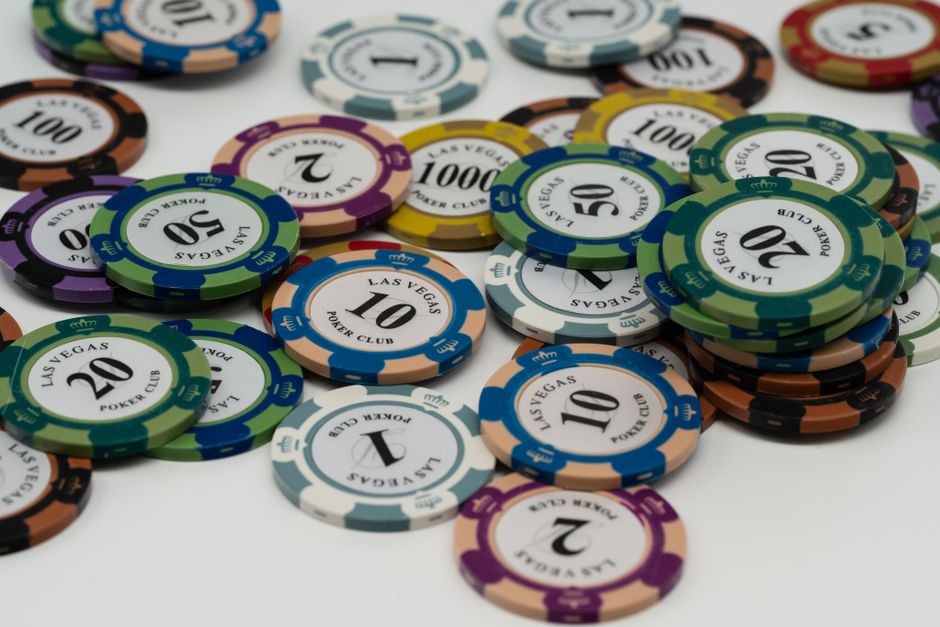
Every casino floor is built on a mathematical certainty, and yet millions of people walk through those doors — physical or digital — every single day. That's not naivety. That's a calculated trade: entertainment, adrenaline, and the slim but real chance of a score, all priced into a house edge that rarely exceeds a few percent. The trick isn't avoiding the house edge. It's understanding it well enough to get more out of every session than the math says you should.
Whether you're spinning slots at 3 a.m., grinding a poker table, or sweating a parlay on a Sunday afternoon, the fundamentals are the same. Here's what actually separates players who enjoy this hobby for years from those who blow through a bankroll in a weekend and never come back.
Know What You're Actually Playing
The single biggest mistake casual players make is lumping every game into one mental category called "gambling." They're not remotely the same animal. A blackjack table with basic strategy has a house edge around 0.5%. A slot machine can sit anywhere from 2% to 12%. A lottery-style jackpot game can creep past 25%. That gap is enormous, and it determines how long your money survives.
Here's a rough hierarchy worth memorizing:
- Poker (skill-dominant): If you're better than the table, you're the house. Rake is your only real tax.
- Blackjack, baccarat, craps (low-edge): Learn the correct plays and you're facing 0.5%–1.5% edges.
- Roulette: European single-zero wheels cut the edge roughly in half versus American double-zero versions.
- Slots and video poker: Wildly variable. Video poker with optimal play can dip under 1%; penny slots can punish you at 10%+.
- Sports betting: Standard -110 pricing carries about a 4.5% hold, but shopping lines across books shrinks it fast.
The point isn't to only play poker. It's to know the tax you're paying so you can decide whether the entertainment is worth it.
Slots: It's Not Random in the Way You Think
Modern slot machines are governed by RNGs that run thousands of spins per second. The reels you see are a visual presentation — the outcome was already decided the moment you hit spin. This matters because it kills two of the most persistent myths in the game.
First, machines don't "heat up" or "go cold." A slot that hasn't paid in three hours is no more likely to hit than one that just paid a jackpot. Second, the RTP (return to player) figure is a long-run average, often calculated across millions of spins. A 96% RTP machine doesn't owe you 96 cents on every dollar — it means that, theoretically, over an enormous sample, 96 cents returns per dollar wagered. Your session is a drop in that ocean. For practical tips, check out สล็อตเว็บตรง.
What you can control: picking higher-RTP machines when the info is published, choosing volatility that matches your bankroll (low volatility for long sessions, high volatility if you're chasing a big hit and can stomach the swing), and setting a hard stop-loss before you sit down. None of that beats the math, but it stretches the experience.
Poker Rewards the Patient, Punishes the Proud
Poker is the one game in the building where the math can tilt in your favor, but only if you're honest about your skill level. The most common leak among amateur players isn't bad bluffing — it's playing too many hands. Loose-aggressive looks cool on stream; in a $1/$2 live game, tight-aggressive print money over time because your opponents call too much.
A few concrete anchors:
- Position is worth more than cards. A mediocre hand on the button beats a strong hand in the blinds more often than people believe.
- Pot odds are non-negotiable. If you're drawing to a flush on the turn at roughly 4:1 and the pot's offering 3:1, fold. The math doesn't care how good the call felt.
- Track results honestly. Over 500 hands, variance dominates. Over 50,000, your true edge shows up.
Bankroll management is the quiet killer here too. A winning player with a 2 buy-in roll for their stake will go broke through variance alone. Ten to twenty buy-ins is the minimum serious players operate with.
Sports Betting: Shopping Lines Is the Whole Game
Most recreational bettors lose slowly because they take whatever price their favorite book offers. That's a leak. The difference between -110 and -105 on a hundred bets is roughly five units of profit — real money over a season.
Line shopping, taking advantage of promos and boosted odds, and avoiding parlay addiction are the three habits that separate break-even bettors from consistent losers. Parlays are the casino's favorite product because they multiply the house edge with every leg. A four-team parlay at standard pricing carries roughly a 20%+ hold. It's fun. It's also how most bankrolls die.
The Non-Negotiables of Responsible Play
None of the strategy above matters if you're playing with money you can't lose or chasing losses at 2 a.m. The industry itself has finally started taking this seriously — deposit limits, session timers, self-exclusion tools, and reality checks are standard on any reputable platform. Use them. Not because you're on the edge, but because they're free guardrails that keep the hobby enjoyable.
A few habits that work:
- Set a session budget before you log in and treat it as spent the moment you deposit.
- Separate gambling money from rent money entirely — different account if needed.
- Take breaks on a timer, not when you "feel like it." Feelings are the worst referee.
- Never chase. The math doesn't reset because you're down.
The Long View
Nobody with a brain plays casino games expecting to beat the house over a lifetime — except, occasionally, at poker. Everyone else is buying entertainment, the same way you buy a concert ticket knowing the band won't hand your money back at the end. The players who stick around for decades are the ones who price that entertainment correctly: they know the edge, they choose games that stretch their dollar, and they walk away when the budget's done, win or lose.
The house always wins in the aggregate. But a well-informed player can absolutely win their session, their weekend, or their year — and enjoy the ride either way. That's the whole point. The moment the fun costs more than you meant it to, you've stopped being a player and started being a customer of a very profitable business.
LEAVE A COMMENT