
Understanding Soil pH for Better Vegetable Harvests
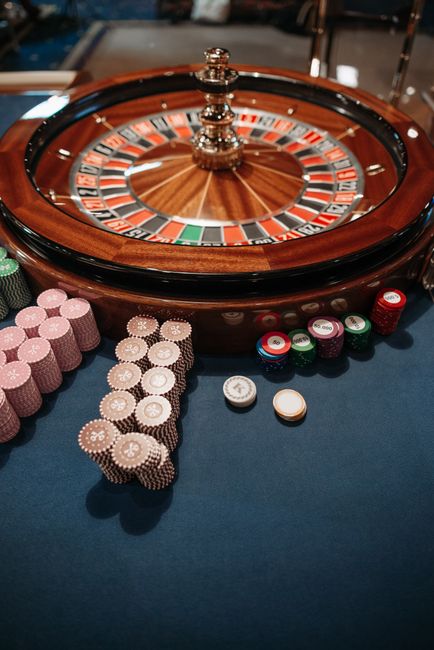
Every gambler has heard the phrase. The house always wins. It's printed on the subconscious of anyone who's ever dropped a coin into a slot machine or called a river bet with second pair. And here's the uncomfortable truth: mathematically, it's correct. Casinos and sportsbooks are not charities. They exist to make money, and they do it beautifully.
So why do millions of people log into online casinos, grind poker tables, and sweat same-game parlays every single weekend? Because the house edge isn't the whole story. The real story is variance, discipline, and the difference between playing a game and being played by it. That distinction is what separates a fun hobby from a financial disaster, and it's the thing almost nobody explains properly.
The House Edge Is Real, But It's Smaller Than You Think
Let's start with actual numbers instead of scary headlines. A standard American roulette wheel has a house edge of 5.26 percent. European roulette, with its single zero, drops to 2.7 percent. Blackjack played with basic strategy sits around 0.5 percent, and some rulesets push it under 0.4 percent. Video poker variants like Jacks or Better can dip to 0.46 percent with perfect play.
Compare that to the lottery, where the edge regularly exceeds 50 percent, or to penny stocks and options trading, where most retail participants lose money at rates that would make a pit boss blush. Suddenly, blackjack at 0.5 percent doesn't look like a scam. It looks like a reasonably transparent entertainment product with a known cost.
The trick is that the edge only applies over the long run, across thousands of hands. In a single session of 200 hands, a skilled blackjack player can easily walk away up a few hundred dollars, or down the same amount. That's variance at work, and it's why gamblers keep coming back. The short run is noisy. The long run is merciless.
Why Slots Feel Different (And Why That Matters)
Slots are where most online casino revenue comes from, often 70 to 80 percent of the total. That's not an accident. Slots are brilliantly designed to produce frequent near-misses, flashing lights, and the illusion of control from a button you press. There's no strategy. There's no skill. There's an RTP number, and on modern online slots that number usually sits between 94 and 97 percent.
What does 96 percent RTP mean? For every $100 wagered, the machine returns $96 over millions of spins. The other $4 is the house's cut. But those returns are not evenly distributed. A single player might hit a 5,000x max win on a $1 spin and pocket $5,000. Another might burn through $500 without a single bonus round. Both are statistically normal.
- High volatility slots pay rarely but hugely. Think Money Train or Razor Shark. Bankroll swings are brutal.
- Low volatility slots pay frequently but small. Think Starburst or Blood Suckers. Gentler, but still a losing proposition long-term.
- RTP matters far more than theme. A 96.5 percent Egyptian-themed slot beats a gorgeous 94 percent Megaways clone every time.
- Bonus buys are essentially buying variance, not value. You're paying for a shot at a big multiplier, not a discount on the edge.
If you play slots, know which category you're playing. A low-volatility slot is a slow bleed. A high-volatility slot is a lottery ticket with better graphics. Neither is a retirement plan.
Poker Is Not Gambling in the Same Way (And That's the Point)
Here's where the conversation gets interesting. Poker, unlike roulette or slots, is a game of skill played against other people, not against the house. The casino takes a rake, typically 5 percent of each pot up to a cap, and then gets out of the way. That means a good poker player can achieve a positive expected value over time, even after rake, if their edge is large enough.
But most players don't. The distribution of poker winnings is brutal. A small percentage of players, maybe 5 to 10 percent, win consistently. Everyone else either breaks even, loses slowly, or donates their stack to the regulars who treat the game like a part-time job. The difference between a winning and losing poker player usually comes down to three things: For more on this, see XOCDIA88.
- Hand selection. Folding marginal hands preflop is boring and correct. Playing too many hands is the number one leak at low stakes.
- Bankroll management. You need 20 to 30 buy-ins for cash games and 50 to 100 for tournaments to survive normal variance.
- Emotional control. Tilt destroys more bankrolls than bad beats ever will. Knowing when to quit is a skill.
Online poker rooms also offer tools that live players don't get: hand histories, HUDs on many sites, and the ability to multi-table. That's a double-edged sword. It means the competition is tougher, but it also means you can study your own leaks with real data instead of vague memories.
Sports Betting: The Market Is Sharper Than You Are
Sports betting has exploded in the United States since 2018, and online sportsbooks now offer hundreds of markets on a single game. That variety is seductive, but the core math hasn't changed. Standard -110 lines on a point spread imply a 4.55 percent hold for the book. Moneylines, parlays, and prop bets often carry far higher edges, sometimes 10 to 20 percent when priced lazily.
Beating a modern sportsbook consistently is genuinely hard. The lines are set by algorithms and sharp syndicates, and they move fast. Closing line value, the idea that the final line before kickoff is the most accurate prediction, is the single best indicator of whether you're actually a winning bettor. If you consistently get better odds than the closing line, you're sharp. If you don't, you're the guy funding the operation.
The most profitable sports bettors specialize. They pick one sport, one league, one market, and they know it better than the guys setting the line. Volume betting across every sport is a recipe for bleeding out slowly. Focus beats action.
So How Do You Actually Not Lose Your Shirt?
First, accept that entertainment has a cost. You wouldn't expect a movie ticket to pay you back, and you shouldn't expect your casino session to break even. The money you deposit should be money you're happy to spend on a night of entertainment.
Second, use the tools that exist. Deposit limits, session timers, loss limits, and self-exclusion features are built into every reputable online casino and sportsbook. Licensed operators in jurisdictions like Malta, the UK, and regulated US states are required to offer them. Use them before you need them.
Third, understand the game you're playing. If it's slots, pick high RTP, know the volatility, and set a stop-loss. If it's poker, study ranges and bankroll properly. If it's sports, track every bet and review your closing line value monthly. Data is your friend, even when it tells you something you don't want to hear. For up-to-date information, visit XOCDIA 88.
The house edge doesn't mean you can't win. It means you can't win forever. That's not a flaw in the system. That's the system. Play within it, respect the math, and the occasional big score becomes what it was always supposed to be: entertainment with a possible bonus attached.
LEAVE A COMMENT