
Understanding Soil pH for Better Vegetable Harvests
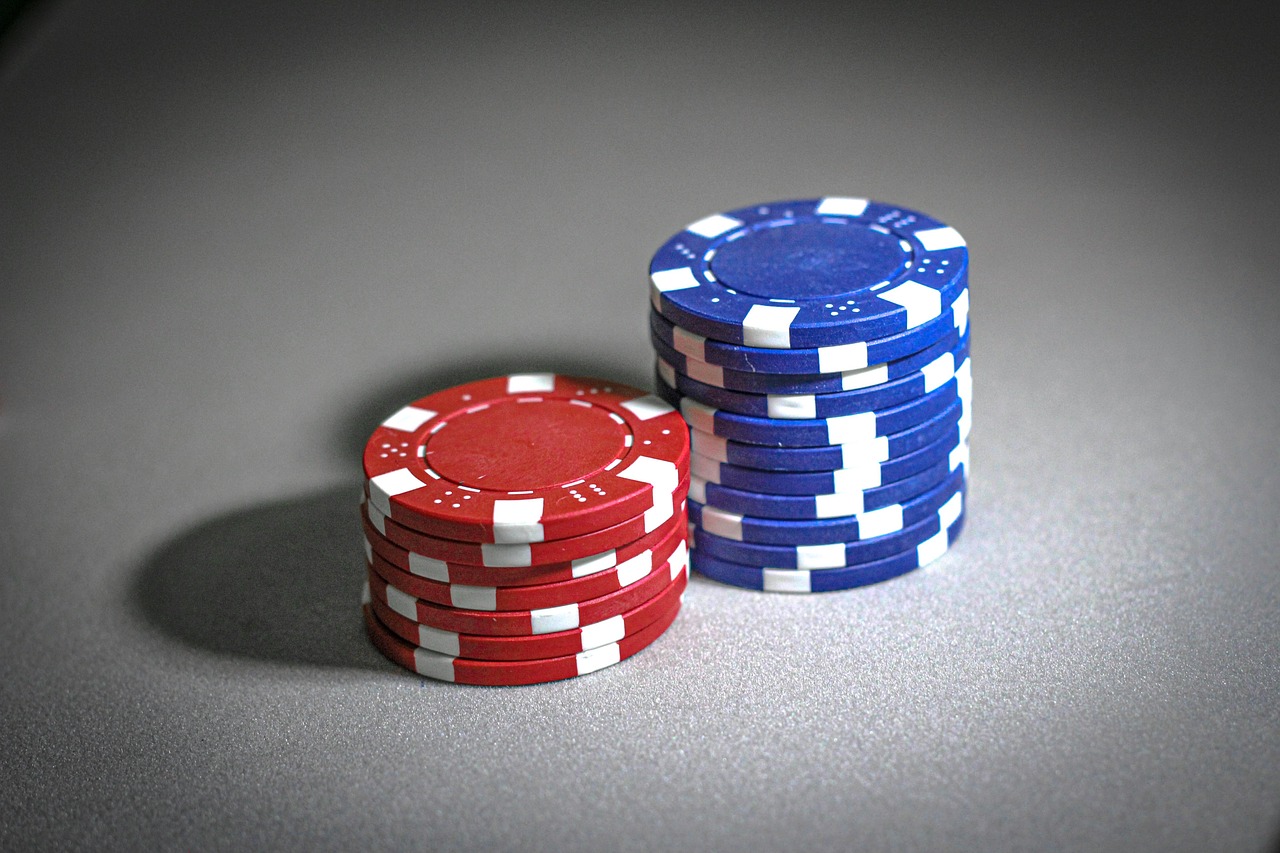
Every year, millions of people log into online casinos or place a bet on a football match. But how many stop to think about what actually happens under the hood? The iGaming industry is a strange hybrid of cutting-edge math, old-school gambling psychology, and serious tech infrastructure. If you’ve ever wondered why a slot machine gives you a near miss, why poker pros obsess over variance, or whether a betting line is really fair, this is where you start.
We’re going to walk through the core pillars of iGaming — casino games, slots, poker, and sports betting — and look at the real mechanics, not the marketing fluff. No hype, no promises of easy millions. Just how the pieces fit together.
Casino Games: House Edge, Not Luck, Sets the Clock
The phrase "house edge" gets thrown around a lot. In simple terms, it’s the mathematical advantage the casino holds on every bet you place. It doesn’t guarantee a win for the casino in any single session, but over thousands of spins or hands, it’s the reason operators stay in business.
Take European roulette. The wheel has 37 pockets (numbers 1–36 plus a single zero). A straight-up bet on a single number pays 35:1, but the true odds are 36:1. That one-pip difference creates a house edge of 2.7%. Compare that to American roulette, which adds a double zero (00). The house edge jumps to 5.26%, nearly double. Same game, different rules, dramatically different long-term cost.
- Blackjack can have a house edge as low as 0.5% if you use basic strategy, but a careless player can push it past 2%.
- Baccarat — the banker bet carries just a 1.06% house edge, which is why high rollers love it.
- Video poker — Jacks or Better with perfect play returns 99.54%, but most players lose 5% or more by holding the wrong cards.
That last point matters. The casino doesn’t need to cheat. It just needs you to make emotional decisions instead of mathematical ones. If you know the edge, you can pick games that keep you in the chair longer.
Slots: RNGs, Volatility, and the Myth of the "Due" Jackpot
Slot machines are the undisputed king of online casino revenue. They’re also the most misunderstood. Modern slots don’t have a physical reel that slows down; they use a Random Number Generator to determine a sequence of symbols millions of times per second. When you hit spin, the software grabs the next outcome from that stream.
This means two crucial things. First, every spin is independent. A machine that hasn’t paid out in an hour is no more "due" than one that just hit a jackpot. Second, the return to player (RTP) is calculated over millions of spins, not a single session. A 96% RTP slot doesn’t promise you’ll get 96 euros back from a 100-euro bankroll. It means the game is designed to return 96 euros for every 100 euros wagered across all players over time. You could easily lose your entire balance in ten minutes.
Volatility is the other lever players should understand. High-volatility slots like Book of Dead or Money Train pay less often but can produce massive wins. Low-volatility slots like Starburst pay small amounts frequently. Neither is better — they just suit different bankrolls and temperaments.
Here’s a quick reality check for slot players:
- Set a loss limit before you open the game, and treat it as a sunk entertainment cost.
- Check the RTP in the game’s info screen. Anything below 94% is stingy for modern standards.
- Don’t chase bonus features. Autoplay and turbo spin are convenience tools, not strategies.
Slots are pure chance. Skill doesn’t change the outcome. If you’re okay with that, they can be fun. If you’re not, blackjack or poker gives you more agency.
Poker: The Only Casino Game Where You Can Beat the House
Poker is different. You’re not playing against the casino; you’re playing against other people. The house takes a rake — a small cut of each pot — but otherwise, the better player wins over time. That single fact makes poker the most intellectually demanding game in the iGaming ecosystem. More background can be found at Debet.
But "better" is slippery. A winning poker player understands three things:
- Position — acting last gives you more information. The button is the most profitable seat at the table.
- Pot odds — if it costs $10 to call a $50 pot, you’re getting 5:1. You need to win more than 1 in 6 times to break even.
- Variance — even a 60% favorite loses 40% of the time. Short-term results are noise; long-term results are signal.
Online poker adds another layer: tracking software and HUDs (heads-up displays) that show opponent statistics like VPIP (voluntarily put money in pot) and PFR (pre-flop raise). These tools are legal on most sites but banned on others, so always check the room’s rules. The edge they provide is real: a player with a HUD can spot a nit who only raises with aces versus a maniac who raises every other hand.
If you’re new to poker, start with micro-stakes — $0.01/$0.02 blinds. The money doesn’t matter; the reps do. Lose $20 learning why you shouldn’t call a 3-bet with weak ace-rag, and you’ve paid cheap tuition.
Sports Betting: Lines, Vig, and Why Sharp Money Moves Markets
Sports betting feels more skill-based than slots, and it often is. But the bookmaker isn’t a charity. They build a margin into every line, called the vigorish or "vig." On a standard -110/-110 point spread, you risk $110 to win $100. That $10 gap is the book’s cut, roughly 4.76% of the total handle.
When you see a line move — say, a team goes from -3 to -4.5 — it usually means sharp money (professional bettors) hammered one side. The book adjusts to balance their risk. If you can consistently beat the closing line, you’re probably a long-term winner. That’s the benchmark professionals use.
For casual bettors, three habits separate entertainment from damage:
- Never bet on your favorite team without checking the line movement first. Emotion clouds judgment.
- Track your bets in a spreadsheet. You’ll quickly see which sports and bet types actually make you money.
- Understand that parlays and same-game parlays are high-vig products. A three-leg parlay at -110 each carries a house edge north of 12%.
Live betting in-play markets are exciting but volatile. Odds shift in seconds, and the book’s margin is often wider. If you don’t have a clear model, you’re guessing against algorithms.
Bonuses, Wagering, and the Fine Print That Bites
No iGaming article is complete without a warning about bonuses. A "100% up to $500" welcome offer sounds generous until you read the terms. Most bonuses come with a wagering requirement — often 30x to 50x the bonus amount. That means a $100 bonus with 40x wagering requires $4,000 in total bets before you can withdraw a cent.
Worse, many slots contribute only 20% toward wagering, while table games like blackjack might contribute 10% or nothing at all. A bonus designed to look like free money can trap you into playing games with a higher house edge for hours. Read the terms before you opt in. If the wagering is above 35x, it’s rarely worth it.
Reputable operators list their RTPs, publish audit certificates from eCOGRA or iTech Labs, and offer self-exclusion tools. If a site hides its licensing information or promises "guaranteed wins," close the tab.
The Bottom Line on iGaming
Online casino, slots, poker, and betting are not a single thing. They’re different ecosystems with different math, different skill ceilings, and different risks. Slots are entertainment with a fixed edge. Poker is a competitive mind sport with a rake. Sports betting rewards information and discipline. Casino table games sit somewhere in between.
The common thread is that none of them are a reliable income plan. Treat them as paid entertainment, set hard limits, and learn the mechanics so you’re not the sucker at the table. The house always has an edge over the average player — but the informed player at least knows exactly what they’re paying for.
LEAVE A COMMENT